

We use several types of pressure in training horses: body language, voice, and physical contact. With each method, we’re influencing the horse to make some desired change

There’s value in waiting – in teaching our horses to wait, and teaching ourselves to wait in our own rushed lives. It’s when I multi-task – trying to be efficient by cramming in 2 things into 1 time slot – that I make the most mistakes! Haste makes waste – retro wisdom for today’s hurried world.
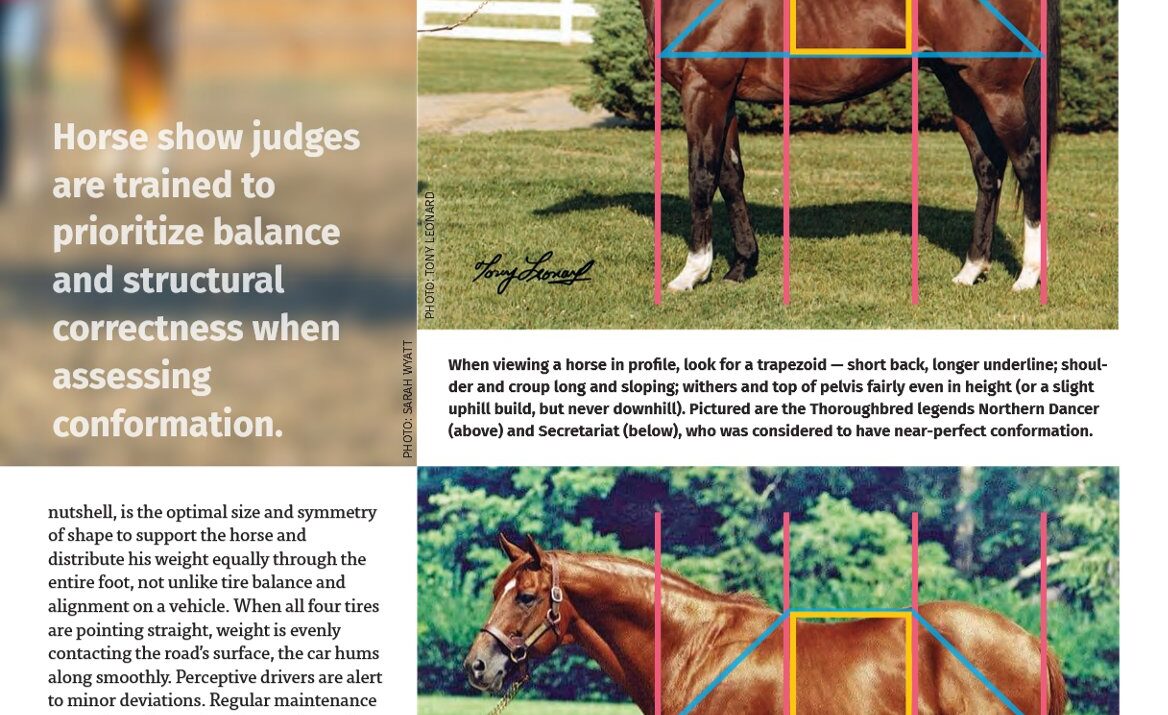
Developing a horseman’s eye is a lifelong process –I’ve been watching horses for years – as a young rider from horse show bleachers, later making my living watching horses – as horse trainer, riding coach and judge.

Developing a horseman’s eye is a lifelong process of studying horses -reading, seminars and training your horseman’s eye through experience.
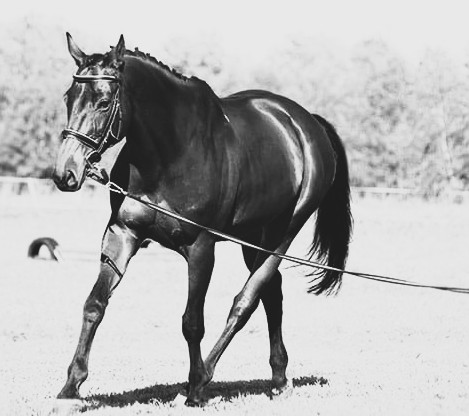
I’ve learned SO much about horses by watching them – I’ve sure benefited by watching countless horses revolving around me on a lunge line, studying movement, facial expressions. More than a chance to blow off steam, lunging is an extension of my training.And lunging benefits the horse – if done correctly, Find Part 3 on
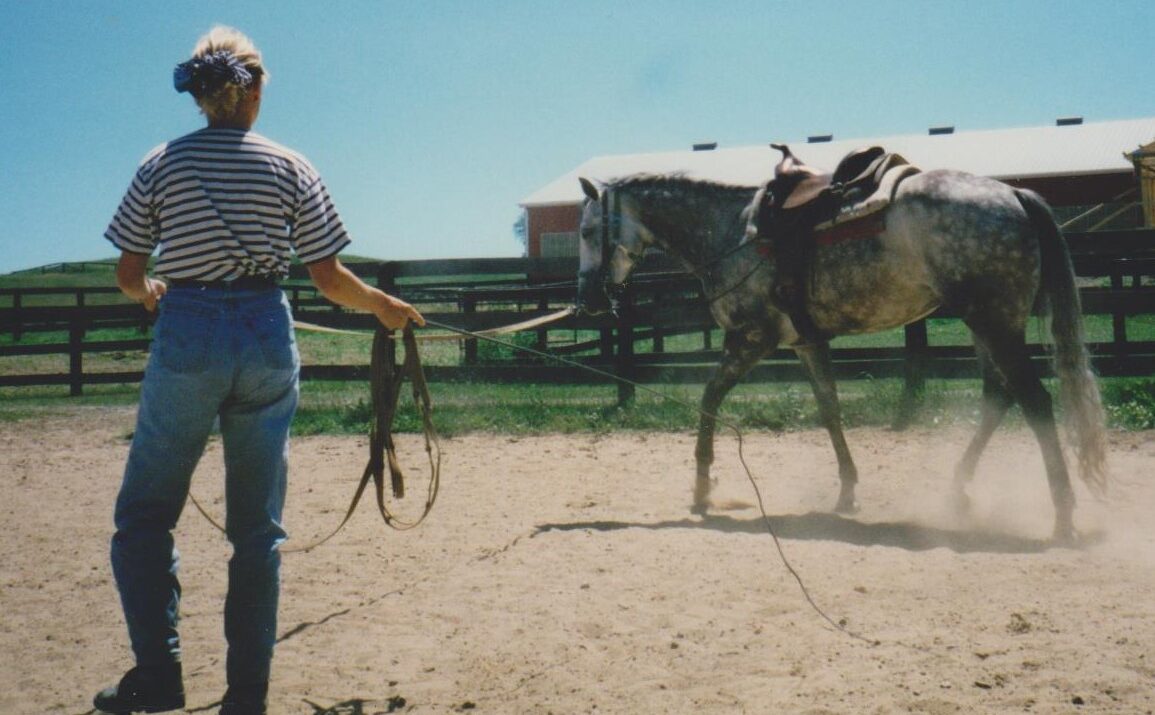
Lunging is an extension of your horse training, More than a chance to blow off steam. And lunging has tuned my eye in comparing the movement of hundreds of assorted horses, evaluating strengths and weaknesses in their ways of going.